.svg)





















.avif) Cashflow
Cashflow
The Role of Working Capital in Business Success
What is Working Capital?
Working capital refers to the difference between a company’s current assets (like cash, accounts receivable, and inventory) and its current liabilities (such as accounts payable and short-term debts). In simple terms, it’s the money available to meet short-term obligations and run day-to-day operations.
A positive working capital means your business has enough liquidity to pay its bills, purchase stock, and manage operations without stress. Negative working capital, on the other hand, often signals financial strain.
Why Working Capital Matters for Business Success
-
Smooth Day-to-Day Operations
From paying suppliers to covering employee salaries, every business needs liquidity for daily activities. Healthy working capital ensures there are no disruptions in operations, which is critical for maintaining trust with employees, vendors, and customers.
-
Growth and Expansion
Adequate working capital provides flexibility to take advantage of opportunities such as bulk discounts from suppliers, new project investments, or expanding into new markets. Businesses with strong working capital are better positioned to grow faster than those constantly struggling with cash shortages.
-
Crisis Management
Unexpected situations—such as delayed client payments, seasonal sales dips, or global challenges like the pandemic—can create cash flow pressure. Businesses with a buffer in working capital can navigate these challenges more effectively without risking closure.
-
Creditworthiness and Investor Confidence
Banks and investors closely evaluate working capital before extending loans or investments. A business with positive working capital demonstrates financial discipline, making it easier to secure financing at better terms.
How Businesses Can Improve Working Capital
-
Improve Receivables Management
Encourage faster customer payments through discounts for early settlement or digital payment options.
-
Optimize Inventory
Avoid overstocking and use just-in-time strategies to keep cash flow healthy.
-
Negotiate Better Payables Terms
Extend payment periods with suppliers without harming relationships, freeing up cash in the short term.
-
Use Financing Solutions
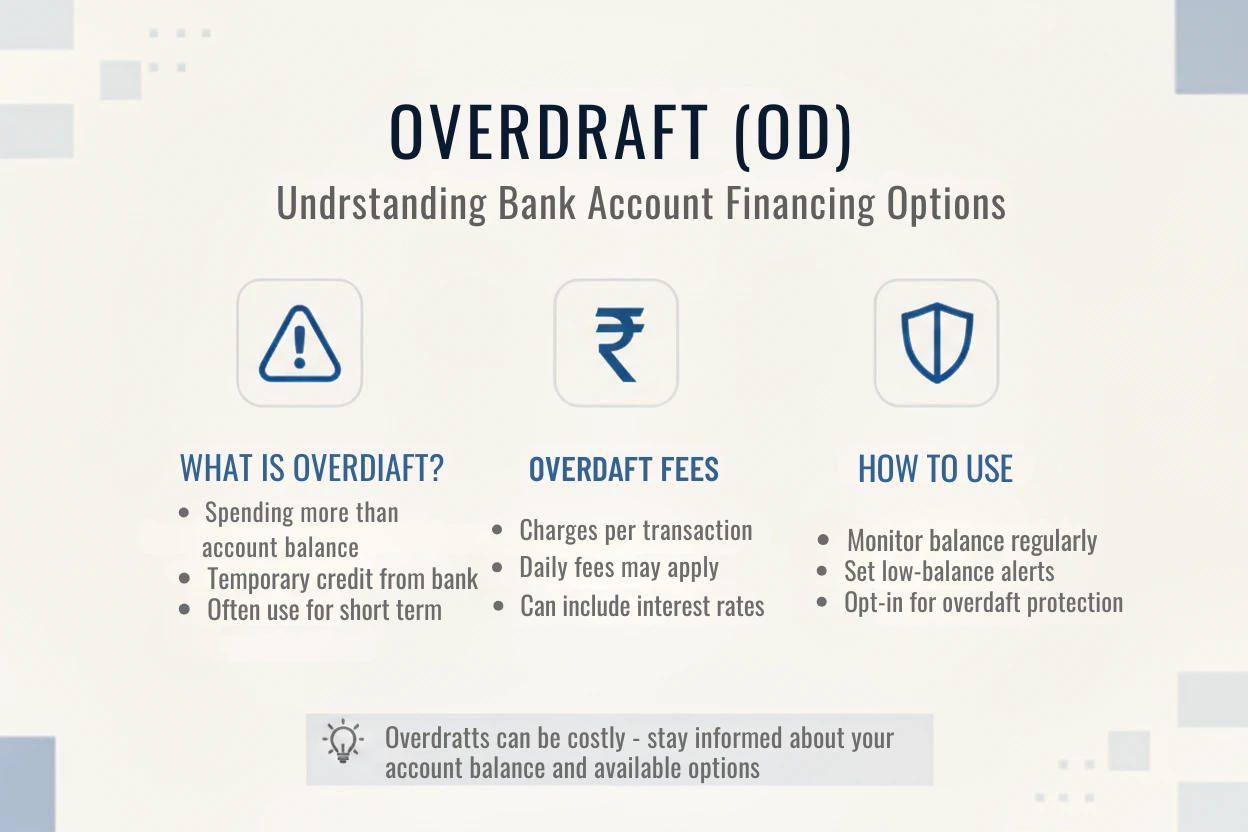
Products like overdrafts, cash credit, or working capital loans can provide immediate liquidity to cover short-term gaps.
The Role of Working Capital Loans
Sometimes, even well-managed businesses need extra support. Working capital loans are designed to cover short-term expenses and ensure business continuity. Whether it’s purchasing raw materials, paying utility bills, or bridging gaps during seasonal downturns, these loans act as a safety net for business owners.
For many small and medium-sized enterprises (SMEs), accessing quick and flexible working capital financing can be the difference between surviving and thriving.
Conclusion
Working capital isn’t just a financial term—it’s the foundation of every successful business. It fuels daily operations, supports growth opportunities, and provides resilience during tough times. With careful management and the right financing solutions, businesses can ensure that their working capital works for them, not against them.
At U First Loanz, we help businesses secure reliable working capital loans and other financing options so they can focus on what matters most—growth and success.
.avif) Leverage
Leverage
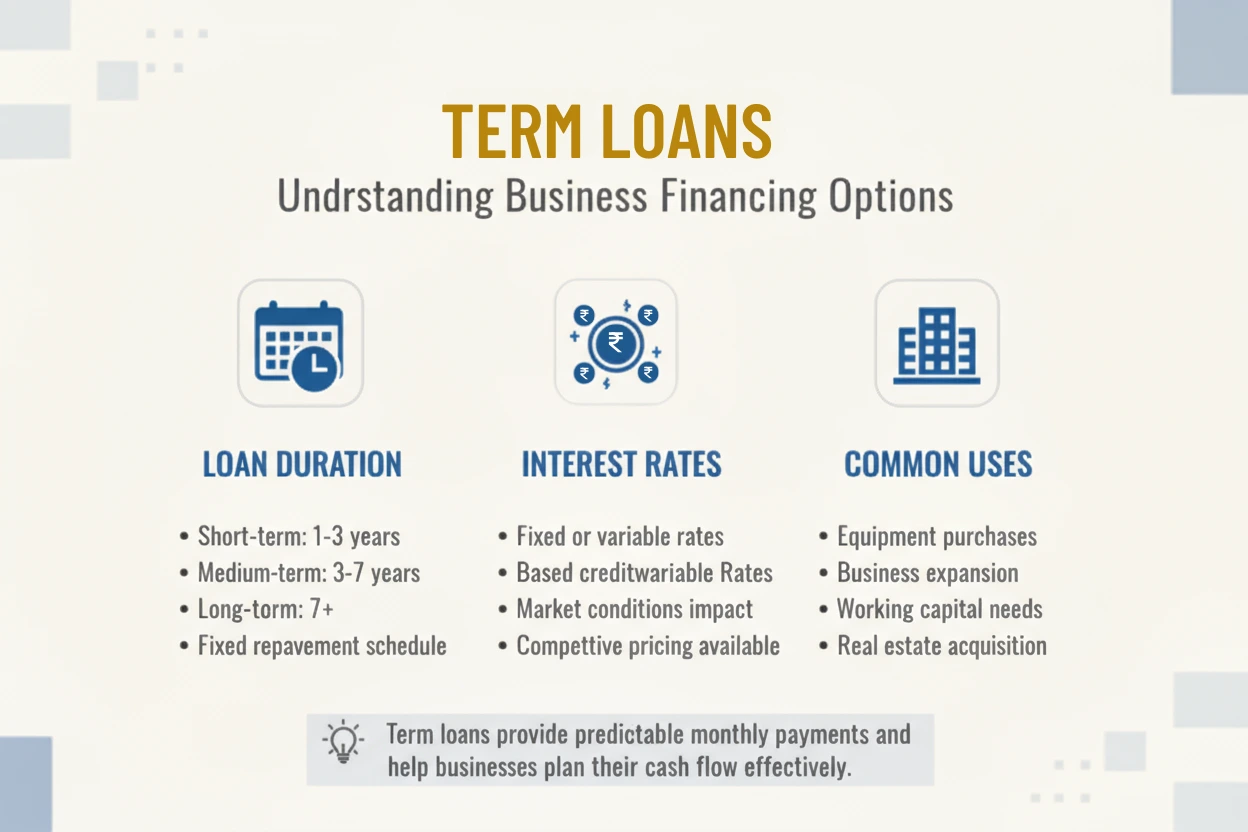
5 Smart Ways to Use a Term Loan
But how do you make the most out of a term loan? Let’s explore five smart ways to use this powerful financial tool.
1. Expand Your Business Operations
Growth is every entrepreneur’s dream. Whether it’s opening a new branch, entering a new market, or increasing your production capacity, expansion often requires significant investment. A term loan can give you the upfront funds you need to cover real estate costs, licenses, staffing, and marketing for your new venture. With predictable repayment terms, you can plan your cash flow while scaling your business.
2. Invest in Machinery and Equipment
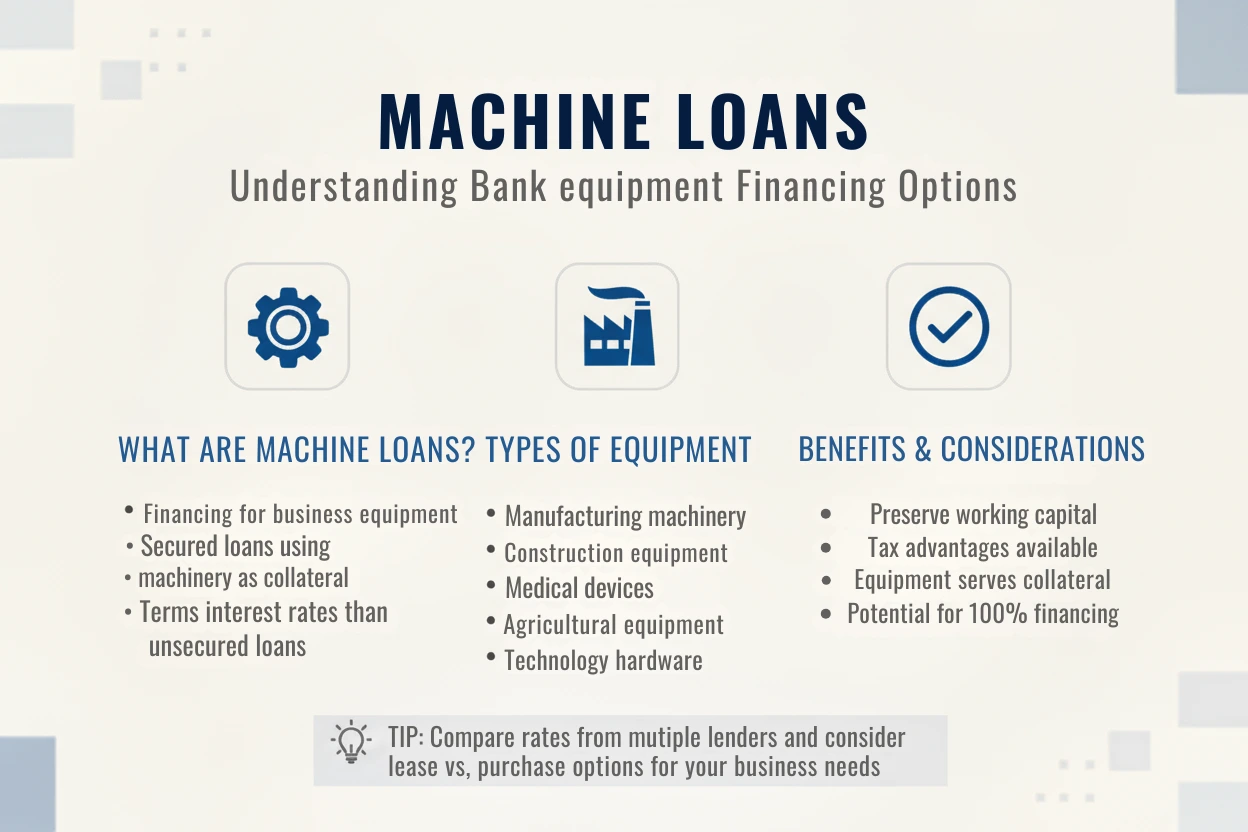
Modern businesses need modern tools. Outdated machinery not only slows down productivity but also increases maintenance costs. A term loan allows you to invest in new equipment, upgrade technology, or automate certain processes—giving you a competitive edge. For manufacturing and service-based businesses alike, this kind of investment can boost efficiency and profitability in the long run.
3. Manage Large-Scale Projects
Taking on big projects often requires big budgets. Whether it’s a construction contract, a bulk order from a client, or a government project, you may need upfront funds to purchase raw materials, hire skilled labor, or manage logistics. Term loans are perfectly structured for such scenarios—they give you the financial muscle to execute projects without straining your working capital.
4. Strengthen Your Infrastructure
Sometimes growth means investing in the backbone of your business: infrastructure. From renovating your office space to building warehouses or upgrading IT systems, these investments may not show immediate returns but are critical for long-term success. A term loan provides the stability you need to commit to such big-ticket expenses.
5. Consolidate Existing Debts
If your business is juggling multiple loans or credit facilities with varying interest rates, repayment dates, and terms, it can become overwhelming. A smart way to use a term loan is to consolidate all your debts into a single loan with a fixed repayment plan. This not only simplifies your finances but could also reduce your interest burden.
Making Term Loans Work for You
While term loans can be used in many ways, success depends on borrowing wisely. Always assess your repayment capacity, align the loan with specific business goals, and work with trusted lenders to secure the best terms.
Conclusion
A term loan is more than just borrowed money—it’s a stepping stone to growth, efficiency, and stability. By using it smartly for expansion, equipment upgrades, project execution, infrastructure improvements, or debt consolidation, businesses can maximize the value of this financial tool.
At U First Loanz, we help businesses secure the right term loan solutions tailored to their needs. With our guidance, you can focus on growing your business while we simplify the financing process.
 Support
Government-Backed Loans: A Safe Path to Growth
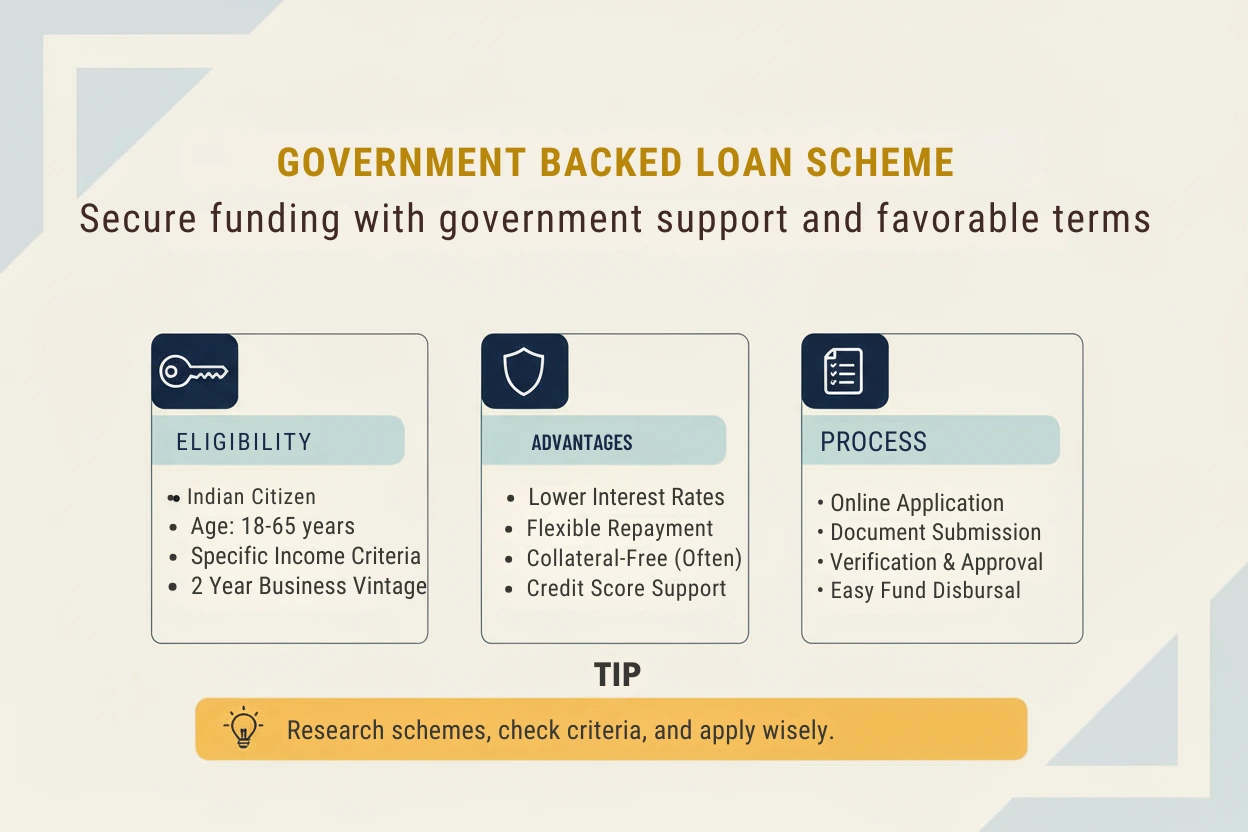
These loan schemes are designed to encourage entrepreneurship, strengthen industries, and boost the economy—while giving businesses the confidence to grow with less risk.
What are Government-Backed Loans?
Government-backed loans are financing options supported, guaranteed, or subsidized by government agencies. Unlike regular commercial loans, a portion of the risk is borne by the government, making lenders more comfortable offering credit to small and medium enterprises (SMEs), startups, and even individuals.
In India, popular examples include:
- MSME Loan Schemes (like CGTMSE – Credit Guarantee Fund Trust for Micro and Small Enterprises)
- Mudra Loans under the Pradhan Mantri Mudra Yojana (PMMY)
- Stand-Up India Scheme for women and SC/ST entrepreneurs
- SIDBI-supported loans for startups and MSMEs
Why Government-Backed Loans Matter
-
Easier Access to Credit
Many entrepreneurs struggle to get loans because of limited collateral or lack of credit history. With government-backed loans, banks and NBFCs are encouraged to lend since part of the risk is covered.
-
Lower Risk for Borrowers
These loans often come with reduced collateral requirements or are completely collateral-free. For small businesses, this minimizes the fear of losing assets while still accessing needed capital.
-
Affordable Interest Rates
Schemes often target specific groups such as women entrepreneurs, first-time business owners, or marginalized communities, promoting inclusive economic development.
-
Flexibility in Usage
Funds can be used for multiple purposes—working capital, purchasing machinery, expanding operations, or even starting new ventures—giving entrepreneurs the flexibility they need.
How Government-Backed Loans Drive Business Growth
- Encouraging Startups: By reducing entry barriers, these loans help innovative startups bring their ideas to life.
- Boosting MSMEs: Small businesses can invest in machinery, hire more staff, and expand their reach.
- Strengthening Industries: Targeted loans in sectors like manufacturing, agriculture, and services ensure long-term competitiveness.
- Job Creation: When businesses grow, they create jobs, supporting overall economic development.
Tips for Applying Successfully
- Prepare a clear business plan that explains how the loan will be used.
- Ensure your financial documents, GST returns, and KYC are in order.
- Check eligibility for specific schemes (MSME, Mudra, Stand-Up India, etc.).
- Approach banks or DSAs (Direct Selling Agents) familiar with government loan processes for smoother approval.
Conclusion
Government-backed loans are more than just financial products—they are catalysts for inclusive growth and sustainable business success. By reducing risks, making funds affordable, and empowering entrepreneurs, these loans pave the way for businesses to dream big and achieve more.
At U First Loanz, we guide businesses in identifying and securing the right government-backed loans. With our expertise, you can focus on growing your business while we simplify the financing journey.